, ,
التفاصيل
د.عزيزة اليوسف تطالب الدولة بإسقاط الولاية رسميا:
نحن دولة تطيع ولي الأمر وتتقبل القرار السياسي
#اتجاهات#سعوديات_نطلب_اسقاط_الولايه115 pic.twitter.com/eUihG4r1vd
د.عزيزة اليوسف تطالب الدولة بإسقاط الولاية رسميا:
نحن دولة تطيع ولي الأمر وتتقبل القرار السياسي
#اتجاهات#سعوديات_نطلب_اسقاط_الولايه115 pic.twitter.com/eUihG4r1vd
“ http://t.co/v3jfGjF مقتطف من كتاب روبرت ليسي على مدونة الأستاذة هالة الدوسري عن تجربة الشجاعة د. فوزية البكر. جداً مهم لكل محب للحرية
#جمعة_قيادة_المرأة
٣ مايو ٢٠١١ أعلنت مجموعة من النساء السعوديات عن مبادرة (سأقود سيارتي بنفسي) #Women2Drivehttp://t.co/PoUoVZvY
وبناء على هذه التعليقات الإيجابية والتي تتناسب مع موقف المملكة تجاه القضايا الحيوية التي تتعلق باقتصاد البلاد وبتطورها الاجتماعي" والتزاماً منها باتفاقياتها الدولية وعلى رأسها اتفاقية السيداو (مكافحة جميع أشكال التمييز ضد المرأة) التي وقعتها وصادقت عليها السعودية عام 2000، ونظراً لما يترتب على أن تكون السعودية هي البلد الوحيد في العالم الذي يمنع النساء من قيادة السيارة مفضلةً عليه استقدام مليون سائق من بلاد أجنبية، سواء من هدر اقتصادي أو مشكلات اجتماعية أو أمنية أو تناقض فكري، ما يمكن تفصيله في وقت لاحق، فإن الرسالة التي وصلت النساء والعائلات هي أن العائلة التي ترى أنها يمكنها أن تسمح أو تقبل أن تقود نساؤها سياراتها وتحمل رخصاً معترفا بها محلياً بحيث لا تخالف قانون المرور، الذي لا يشترط الذكورة للحصول على الرخصة، فإنه يمكنها تولي زمام المقعد الأمامي."
"Based on these positive observations—observations that accord with the Kingdom’s position on issues vital to its economic growth and social development, and in line with its international commitments, foremost among them the Convention on the Elimination of All Forms of Discrimination against Women (CEDAW), which Saudi Arabia signed and ratified in 2000—and given the consequences of Saudi Arabia’s remaining the only country in the world to bar women from driving while importing one million foreign chauffeurs, with all the attendant economic waste, social and security problems, and intellectual contradictions (details of which could be elaborated later), the message conveyed to women and families is clear: any household that believes it can allow—or is willing to allow—its women to drive and to hold locally recognized licences, thereby remaining fully compliant with traffic law (which nowhere stipulates maleness as a prerequisite), may take the driver’s seat."
المسألة بسيطة كمسألة ارتدائك للعقال عزيزي الرافض للقيادة تريد أن ترتدي عقال أرتديه، لا تريد لن يرغمك أحد على ارتدائه، وهكذا القيادة، يمكنك أن تمنع نسائك ولكن لا ترغم الآخرين على أن يفعلوا مثل تصرفك لأن لديك أزمة ثقة بنسائك
قضيتي هنا هو التضامن مع منال الشريف والمطالبة بإطلاق سراحها، بعد أن تم القبض عليها من قبل رجال المباحث بالأمس في الساعة 4 صباحًا، ولا أعلم ما علاقة المباحث ووقت الليل في القبض على المتهمين، ألا يوجد وقت أفضل لترويع الناس غير الثلث الأخير من الليل، خصوًصا إن لم يكونوا يشكلون خطر على أمن الدولة، هناك وقت يدعى صباحًا إن كنتم تسمعون به !!
The matter is simple, like choosing to wear a traditional "agal" (headband) or not. If you want to wear it, go ahead; if not, no one will force you. The same applies to driving: you may restrict the women in your family, but don’t impose your choices on others due to a lack of trust.
My focus here is solidarity with Manal al-Sharif and calling for her release after she was arrested by security forces at 4 a.m. yesterday. Isn’t there a better time than late night for such arrests, especially when there’s no immediate threat?
رفض روزا باركس للتخلي عن مقعدها في الباص لشخص أبيض بدا مقارنة عادلة للمسؤولات عن صفحة منال الشريف حيث تم الجمع بينهما في بوستر جمع صورة الاثنتين وتم تعريفهما بـ “شخص واحد يستطيع تغيير العالم.” أحببت أن أبحث أكثر في المقارنة التي بدت ثورية للبعض حينها بما أن باركس كانت الشرارة التي بدأت حركة السود في المقاطعة الشهيرة للحافلات التي استمرت ٣٦١ يوماً، ودفعت بمارتين لوثر كينج إلى الأضواء وانتهت إلى نقض المحكمة العليا الأمريكية التاريخي لقانون ألاباما العنصري والذي أنهى التمييز العنصري في وسائل النقل العامة. اكتشفت عند تنقيبي في التاريخ حقائق مهمة في شخص باركس التي أصبحت أيقونة في تاريخ الحركة المدنية الأمريكية ليس فقط بسبب مبادرتها الشجاعة؛ ولكن لأن الصحافة اختارت أن تعرف بها “العاملة الكادحة، الخياطة البسيطة التي تعبت من الوقوف في مؤخرة الحافلة،” الوصف الذي جعلها أكثر شعبية واقتراباً من غالبية السود حينها وشجع الكثيرين ليحذو حذوها، ولكنه كان بعيداً جداً عن هوية باركس الحقيقية.
The refusal of Rosa Parks to give up her bus seat to a white man was likened to Manal al-Sharif’s activism by her supporters, with a poster featuring both women under the phrase, “One person can change the world.” This comparison intrigued me, as Parks’ act sparked the famous Montgomery Bus Boycott, lasting 361 days, ultimately leading to the Supreme Court’s historic decision to end racial segregation in public transportation. Parks became an icon, largely due to media framing her as a relatable, working-class seamstress—a description that resonated widely but didn’t fully capture her true identity.
Show solidarity for our struggle to get driving rights by giving up driving yourself for 1 day on Jun 29 http://t.co/nvgkEcso#Women2Drive
#جمعة_قيادة_المرأة لتوقيع عريضة مبادرة القيادة للمرأة السعودية الموجهة لخادم الحرمين الشريفين
http://t.co/8oh7Fpdm
The question of women's status as full citizens in Saudi society emerges as a fundamental driving force behind various feminist movement initiatives. The singular focus of some feminist campaigns—such as the “right to drive” movement—raises numerous questions about the priorities and underlying motivations of the Saudi feminist movement. To accurately understand and describe these motivations, it is essential to examine the historical and cultural factors that have shaped this activism. This article reviews the most significant influences on feminist movements and their outcomes in an effort to describe the nature and characteristics of this activism.
يأتي السؤال عن موقع المرأة كمواطنة كاملة الأهلية في المجتمع السعودي كدافع أساسي خلف مبادرات الحراك النسوي على اختلافها، ويثير تفرّد بعض مبادرات الحراك النسوي في إطار “حق قيادة السيارة” مثلا العديد من الأسئلة حول أولويات الحراك النسوي السعودي و دوافعه المختلفة، و لفهم هذه الدوافع و توصيفها بدقّة فلابد من فهم العوامل التاريخية و الثقافية المشكّلة لهذا الحراك، يستعرض هذا المقال أهم العوامل المؤثرة على الحركات النسوية و نتائجها في محاولة لوصف طبيعة الحراك و ملامحه…
"Twitter provides the chance to see different worldviews and their effect on people’s interpretations of the same news and topics. I find this fascinating and immensely useful in strengthening my own perspective. It has also been a great way to participate in open discussions and interact with individuals that I would otherwise not have the chance to. This exposure to a variety of opinions and critiques allows one to learn from others, re-evaluate their own positions, and crystallize their understanding of how their arguments sound to others."
الحقوق لا تُنتَزع بالرجاء،، بل بالإصرار مع التنفيذ.. #من_حقي_أسوق #الذكرى_الثانية #17_يونيو
Two women drove so far on the 2nd anniversary of the June 17th driving movement. Video will follow soon.
وزير العدل: لا نص يمنع «قيادة المرأة السيارة» والأمر برغبة «المجتمع»http://t.co/IQ18vKlsXh
Two years ago.."June 17 2001"
In that day around 100 #saudiwomen risk arrest as they defy ban on driving
الحقوق لا تُنتَزع بالرجاء،، بل بالإصرار مع التنفيذ.. #من_حقي_أسوق #الذكرى_الثانية #17_يونيو
المغردات السعوديات يكررن المطالبة بقيادة السيارة عبر هاشتاق #من_حقي_أسوق | صحيفة الشارع السعودي: http://t.co/eFx2FB8yqJ
سجلي معنا إن كنت تحملين رخصة قيادة ،
استبيان بغرض اجراء احصائيه لعدد السعوديات اللاتي يحملن رخصة قيادة https://t.co/AmCRcFMbsl
Why I drove my car on Women's day in Saudi Arabia? http://t.co/AeDsXH7B3N #وجيهة_الحويدر #Wajeha_huwaider
غدا الذكرى الثانية لانطلاق مبادرة قيادة المرأة سيارتها بنفسها، ندعو النساء لتجديد المطالبة والقيادة مع التوثيق #من_حقي_أسوق
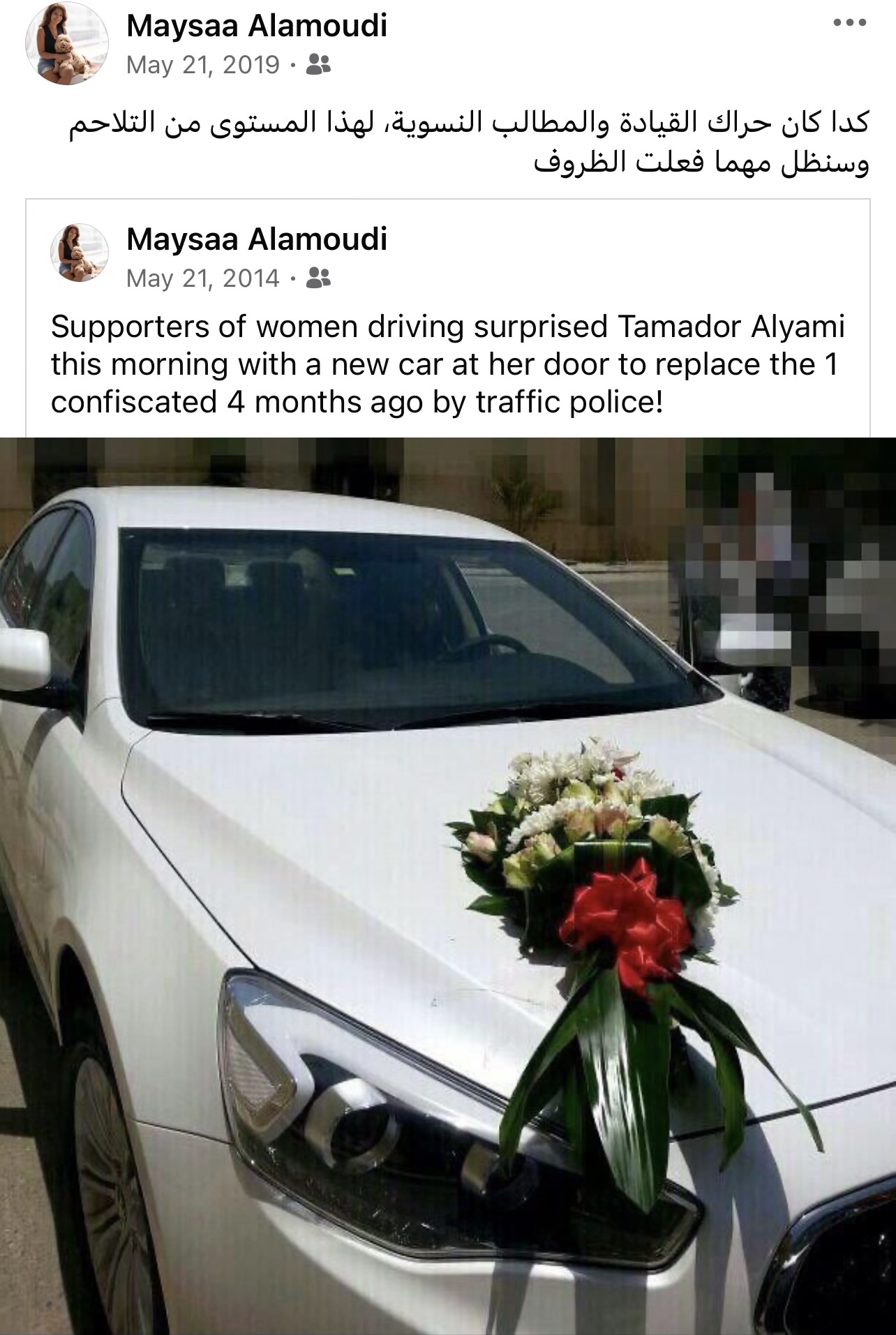
https://t.co/HlCPJ6dFVK ملف قيادة المرأة السعودية...تماضر اليامي
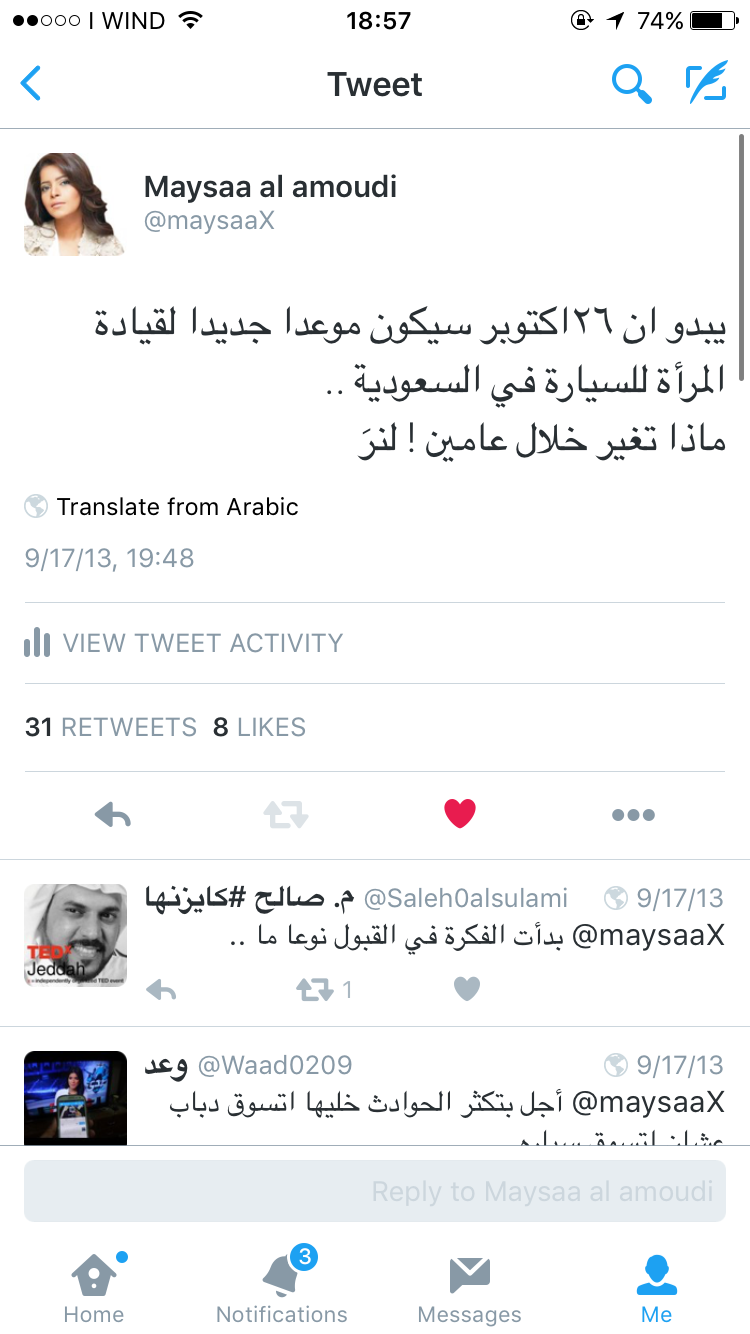
https://t.co/f8EMKppnBd شاركونا التوقيع على طلب رفع الحظر عن #قيادة_المرأة_للسيارة #قيادة26اكتوبر
Emtethal Alawami. (2014). Then what? Photography. #SWAR #WomensArt #SaudiArabia pic.twitter.com/JgdaQEL73Q
الشعلان تحث «الشورى» على تبني «قيادة المرأة للسيارة» و«زواج القاصرات» https://t.co/hAdoCcRXZM
"Art is Halal' campaign. (2015). Photo credit: Twitter / @KholoudSQ pic.twitter.com/nW71wkgdZw
Boshra al-Ouda. (2015). Art is Halal. Poster. #swar #saudi_arabia#ArtificialIntelligence #WomensArt pic.twitter.com/wasZJP6ZIy
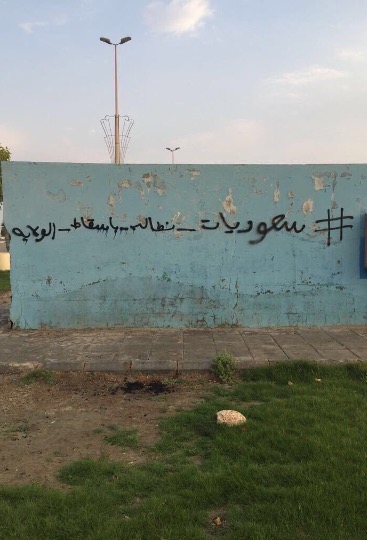
#StopEnslavingSaudiWomen #سعوديات_نطالب_باسقاط_الولايه11
مشكلتنا في تكبيل المرأة والوعود التي تقال ولا تنفذ pic.twitter.com/xNAdmsicdS
#المراه_السعوديه_تسوق. #المراه_السعوديه_تسوق
It’s Your Big Day Girl 🤗🤗. نحنا قدها 👏🏽👏🏽👏🏽👏🏽 pic.twitter.com/Gx4yzMT0ls
الناشطة الحقوقية #منال_الشريف تتحدث عن انظمة الولاية الذكورية في #منتدى_اوسلو #سعوديات_نطالب_باسقاط_الولايه48 pic.twitter.com/IALPXSaCkO
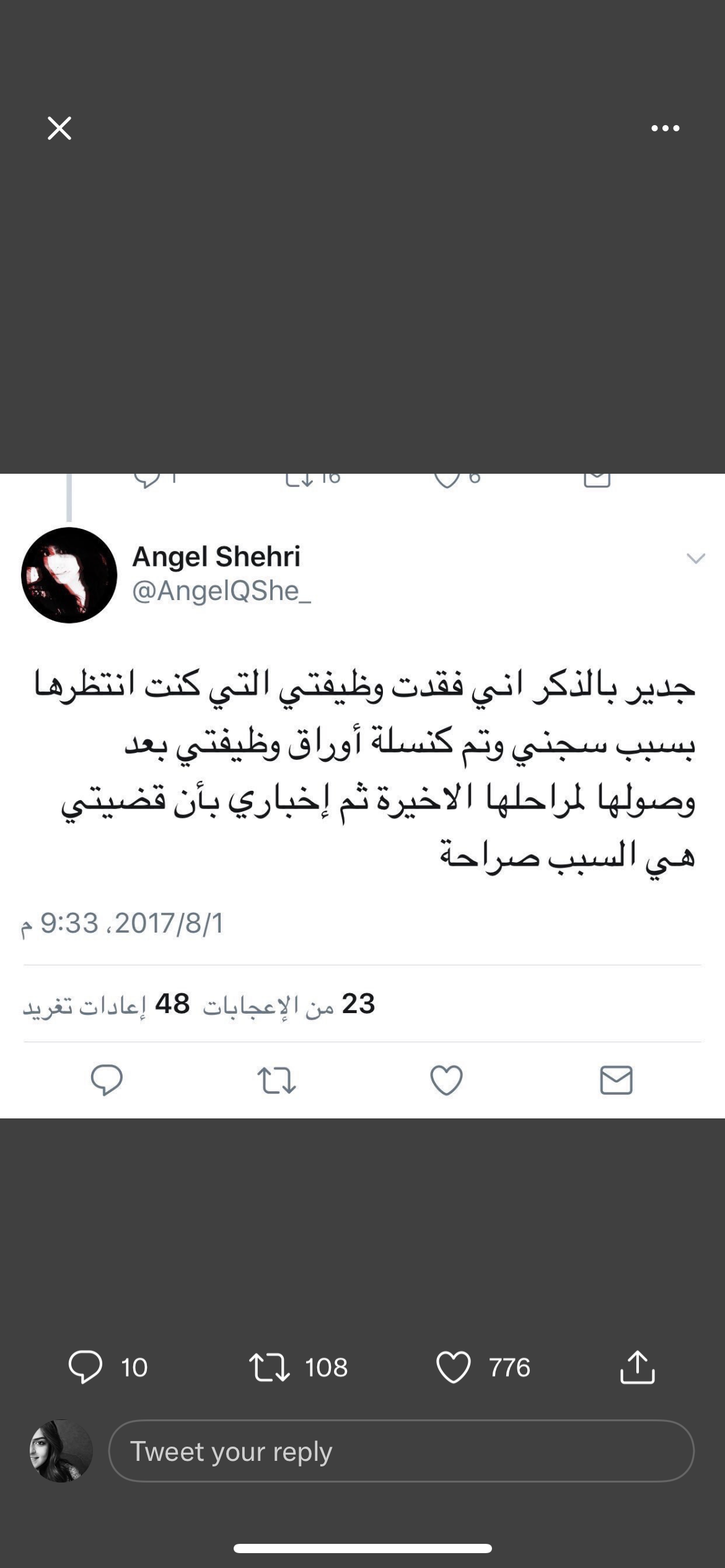
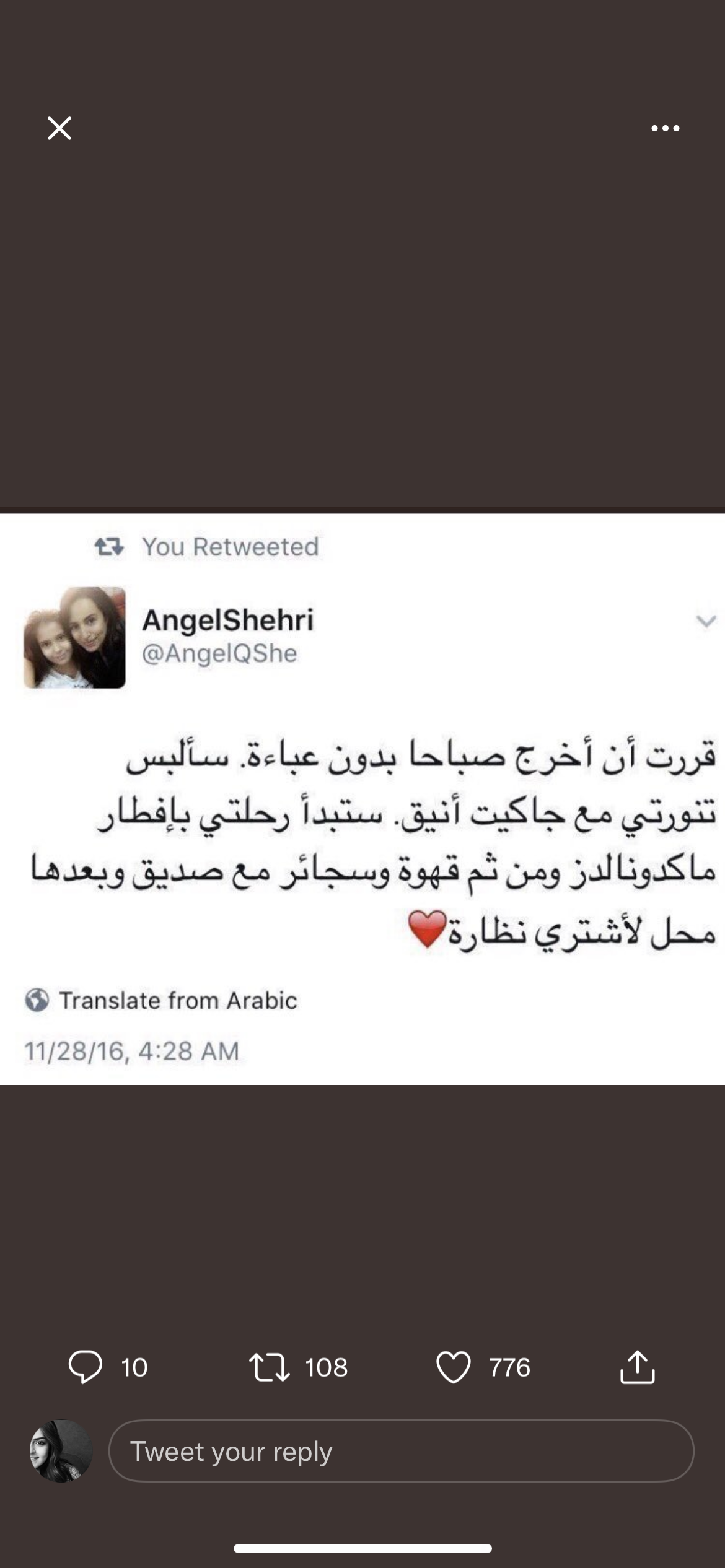
#كلنا_ملاك_الشهري 🙄😎🙂😑 pic.twitter.com/5aUl98hO7s
الزميلات الكاتبات والاعلاميات وجودكن هنا ضروري في هذا الهاشتاغ أهم مطلب للاعتراف بأهلية وإنسانية المرأة #سعوديات_نطالب_باسقاط_الولايه11
#StopEnslavingSaudiWomen
فخورة فيكم جدا جدا ❤️❤️❤️ pic.twitter.com/b1IcbEGJXU
#StopEnslavingSaudiWomen
بسبب قانون الولاية أصبحت هذه نظرة أغلب الرجال السعوديين pic.twitter.com/w6zQp6mwJQ
أما أن انجح في كسر تلك القيود التي وضعت في يداي منذ أن خُلقت أنثى أو اخنق عنقي بها لاموت لكني لن اقبل التعايش معها كباقي النساء في وطني ...
#سعوديات_نطالب_باسقاط_الولايه
المرأة الأوروبيه لما تعطى حقوقها فضلا من الرجل بلا ناضلت لأجل حقها وماتعيشه من كرامة اليوم أتى بفضل نضالها
في يوليو 2016 بدينا التاق العظيم اللي اجتمعنا فيه من مختلف المعتقدات والتوجهات والأذواق وخضنا الكثير من المتاعب رغم اختلافاتنا اجتمعنا على شي واحد "إسقاط الولاية "واليوم يغلق التاق اللي جمعنا برقم ١١١٤ لتحقق مطالبنا نهاية سعيده للجميع ❤️#سعوديات_نطلب_اسقاط_الولايه1114 https://t.co/hbZOuwzock
وسط زخم التخوين غير المبرر للمطالِبات السلميات بحقوقهن الأصيلة، أرفع راية الحرية في #مهرجان_دبي_السينمائي؛ #سعوديات_نطالب_باسقاط_الولاية. pic.twitter.com/1u6ly67Y6g
#شخصيه_ملهمه_٢٠١٦ مريم العتيبي، عزيزة اليوسف، وتقريباً كل اللي شاركو بحملة إسقاط الولاية. @MERiAM_AL3TEEBE @azizayousef
تقرير من شبكة تعليمية حول عريضة المطالبة بانهاء الولاية والبرقيات المرسلة للديوان الملكي #سعوديات_نطالب_باسقاط_الولايه86 pic.twitter.com/zQIa29mTrr
#سعوديات_نطالب_باسقاط_الولايه33
دكتورة سهيلة زين العابدين:
الولاية ليست من الدين بل تشويه للاسلام. وبالأدلة الدينية pic.twitter.com/CFk8o0e5Ms
يومين على التوالي يصل صوت المواطنه لترند مطالبه الجهات المختصة بإنهاء سوء استخدام الذكر لسلطة هل سنرى تجاوب
#سعوديات_نطالب_باسقاط_الولايه
" جيل جديد من سيدات وطني يعرفون معنى التضامن مع من سلب حقه
فخورة بكم جميعا" _ عزيزة اليوسف
" Islamic law does not prescribe the practice of guardianship (wilayah) in the manner it is implemented in Saudi Arabia. According to some early Islamic jurists, the authority of a guardian over a woman was limited to granting consent for marriage. Over the centuries, however, this authority expanded to encompass nearly all aspects of a woman’s life, including custody of children, freedom of movement, choice of residence, and the ability to leave the house for work or education.
In Saudi Arabia, the institutionalization of the guardianship system gradually took root after 1932 to serve the existing political system, which is deeply rooted in the hierarchical and tribal structure of family and society, with the king at its apex. State-affiliated institutions issued fatwas to reinforce the guardianship system, establishing men as heads of households and women as dutiful, obedient wives or daughters.
Historically, this concept is rooted in three distorted perceptions of gender roles that have influenced Islamic jurisprudence: the belief in the physical and emotional superiority of men, the need to uphold the patriarchal structure of the family, and the application of Aristotle’s theory of justice, which advocates for treating men and women differently based on their "essence." Over time, men were permitted, under the guise of religion, to exert control over women, even resorting to violence to maintain social order."
" لا تنص الشريعة الإسلامية على ممارسة ولاية الأمر على النحو الذي تُمارس فيه في المملكة. ووفقًا لبعض فقهاء الدين في بدايات عصور الفقه الإسلامي، تقتصر سلطة ولي الأمر على المرآة على الموافقة لغرض الزواج. وعلى مر القرون، اتسعت هذه السلطة لتغطي مبدئيًا كافة أوجه حياة المرأة، بما في ذلك الوصاية على الأطفال، وحرية التنقل واختيار مكان الإقامة والقدرة على الخروج من المنزل للعمل أو التعلم.
وفي المملكة العربية السعودية، ترسّخ نظام مأسسة ولاية الأمر تدريجيًا منذ العام 1932 لخدمة النظام السياسي القائم، أي البنية الهرمية والقبلية للعائلة والمجتمع وعلى رأسها الملك. أصدرت المؤسسات التابعة للدولة فتاوى لتعزيز نظام الوصاية. فيعتبر الرجل رأس العائلة وتعتبر المرأة الزوجة أو الابنة المتفانية والمطيعة.
يتجذّر هذا المفهوم تاريخيا في ثلاثة من المفاهيم الرئيسية المشوّهة عن أدوار الجنسين والتي أثّرت في الفقه الإسلامي: الايمان بالتفوق الجسدي والعاطفي للرجال، والحاجة إلى تعزيز بنية الأسرة الأبوية، وتطبيق نظرية أرسطو عن العدالة التي تقوم على معاملة الرجال والنساء بشكل مختلف بناء على اختلاف “جوهرهم”. ومع مرور الوقت، سُمح للرجال، باسم الدين، أن يتحكّموا بنسائهم حتى وإن لجأوا إلى العنف للمحافظة على النظام الاجتماعي."
"his paper examines personal status law in the six Gulf Arab states, and the limitations PSLs impose on women’s autonomy and the role of women within the family. PSLs have restrictions on women’s autonomy in three areas in particular: marriage, divorce, and child custody. The gendered nature of PSL is an extension of the political values inscribed in constitutional laws and the customary patriarchal norms. The paper examines constitutional articles in each state that deal with PSL and draws on the roles assigned for men and women in the family and the state’s part in promoting those roles. PSLs are claimed to be based on Islamic references, however secular codes are included when there is a political need, such as enforcing a nationality law or public health concern, but not necessarily to protect women’s rights in the family. Selection of particular Islamic schools of thought was based on what was customarily practiced in each state rather than on finding a more responsive code for the best interests of women. The states’ entries into international commitments and treaties have influenced the codes detailing the minimum age of marriage but not to the extent of protecting a child’s best interest."
" تنظر هذه الورقة في قوانين الأحوال الشخصية في دول الخليج العربية الستة والقيود التي تفرضها على استقلالية المرأة ودورها ضمن العائلة. تفرض قوانين الأحوال الشخصية قيودًا على استقلالية المرأة في ثلاثة مجالات بشكل خاص: الزواج والطلاق وحضانة الأطفال. وتشكل الطبيعة الجنسانية لقوانين الأحوال الشخصية امتدادًا للقيم السياسية المدرجة في القوانين الدستورية والقواعد الأبوية المتعارف عليها. تنظر الورقة في المواد الدستورية التي تُعنى بقانون الأحوال الشخصية في كل دولة وتستند إلى الأدوار المنسوبة إلى الرجل والمرأة ضمن العائلة ودور الدولة في ترسيخ تلك الأدوار. وكما يُزعم، ترتكز قوانين الأحوال الشخصية على مرجعيات إسلامية، ولكن يتم إدراج القوانين العلمانية عندما تبرز حاجة سياسية، كإنفاذ قانون للجنسية أو هاجس متعلق بالصحة العامة، إنما ليس بالضرورة لحماية حقوق المرأة ضمن العائلة. فقد ارتكزت عملية انتقاء مدارس فكرية إسلامية معينة على الممارسات العرفية السائدة في كل دولة أكثر من السعي لاعتماد قانون أكثر استجابة ومراعاةً لمصلحة المرأة الفضلى. وقد انعكس انضمام الدول إلى الالتزامات والمعاهدات الدولية إيجابًا على القوانين التي تحدد سن الزواج الدنيا ولكن ليس بما يحمي أفضل مصلحة للطفل."
“Badawi was the first woman to sue her father for abusing the guardian system and preventing her from marrying the suitor of her choice. She is also the first woman to file a lawsuit against the government demanding the right for women to vote, and launched an online campaign to encourage other women to file similar suits. The efforts of activists like Badawi helped encourage a royal decree allowing women to vote and run for office in future municipal elections.”
تنفيذًا للأمر السامي الكريم رقم (905) وتاريخ 6 محرم 1439هـ، تم السماح للنساء اللاتي يحملن رخص قيادة مناسبة بقيادة المركبة على الطرقات في #السعودية اعتبارًا من اليوم الأحد 10 شوال 1439هـ #المرأة_السعودية_تسوق #SaudiWomenDriving pic.twitter.com/mDgxZsCPjZ
ستسقط الولاية قريباً بلا شك خصوصاً انها استحدثت في زمن الصحوة التي نتصدى لها الآن ولم تكن موجودة قبل عام 1979
ثم منذ متى وعد هذا الرجل وأخلف !!#سعوديات_نطلب_اسقاط_الولايه491 pic.twitter.com/UFQ2bOQW1S
#سعوديات_نطلب_اسقاط_الولايه500
٥٠٠ يوم من المطالبة السلمية كأطول مسيرة تويترية نطالب بحق إنساني مكفول من قبل الشرع مسلوب من قبل قانون وضعي ...
حق التمكين الكامل للمرأة دون شرط ولي أمر...
#سعوديات_نطلب_اسقاط_الولايه360
سعادتك في خمسة
تعليمك
وظيفتك
اختيار شريكك
حرية القراروالاختيار
والاهم ان تؤمني بأن كل ما سبق من أبسط حقوقك pic.twitter.com/8ZtCbLrdd8
The term "Saudi feminism" has been frequently used, and the association of "feminism" with "Saudi Arabia" appears to suggest a meaning that points to a social specificity and affiliation. However, the term—and this is important—is promoted despite the lack of feminist characteristics recognized in the Arab world and internationally. This establishes an independent spatial phenomenon within Saudi feminism as a construct and concept. The issue appears to carry national, feminist, and humanitarian dimensions and sincere attempts to obtain certain legitimate rights, centered in its demands and demands on Islamic law, rather than customs, traditions, and similar extremism. Regarding Saudi feminism, there is a reliance on it to respond to those who oppose women's demands for the provisions of Sharia and the rights it grants women. It is important to emphasize the collaboration of writers with female authors in presenting the term "Saudi feminism" in an indirect manner, with a specificity linked to Saudi women's demands for their rights, improving their image, and achieving their rightful place in Saudi society.
"The development of women’s rights in Saudi Arabia has always been structured within tight limitations. Women have served as symbols of traditional values within the state’s religious institutions, which have historically constrained women’s citizenship rights in the kingdom. The shift to a nationalist project focusing on economic reforms, following the adoption of Saudi Vision 2030, seems to be leading toward a hybrid form of modernization. Vision 2030 explicitly targets an increase in women serving in senior-level positions from the current 1.27 percent to 5 percent. In addition to the need to increase women’s participation by providing opportunities to gain experience, the unstated imperative also is to improve the image of Saudi Arabia internationally, as it seeks greater economic integration and foreign investment. This process is well-articulated by the theory of neopatriarchy, which posits that the patriarchal structures and gender relations of traditional Arab societies will continue to be enforced in modern states. The result is a hybrid society in which some women gain leadership positions while the state continues to enforce restrictive laws and public policies to maintain the structure of a conservative traditional society."
" ولطالما كان تطور حقوق النساء في السعودية محدودًا ضمن إطار ضيّق، إذ تعتبَر المرأة رمزًا للقيم التقليدية في مؤسسات الدولة الدينية التي قيّدت عبر التاريخ حقوق المرأة كمواطنة في المملكة. ويبدو أن الانتقال نحو مشروع قومي يركّز على الإصلاحات الاقتصادية، عقب اعتماد “رؤية السعودية 2030” يؤول إلى شكلٍ هجين من الحداثة. فتستهدف “الرؤية 2030” صراحةً زيادة عدد النساء في المناصب رفيعة المستوى عن النسبة الحالية البالغة 1.27 في المئة إلى 5 في المئة. وفضلًا عن الحاجة إلى تعزيز مشاركة المرأة من خلال توفير الفرص لها لاكتساب الخبرات، تتمثل الضرورة غير المعلن عنها أيضًا في تحسين صورة السعودية على المستوى الدولي، وسط سعيها إلى زيادة اندماجها الاقتصادي وجذب الاستثمارات الأجنبية. وتبرز هذه العملية بوضوح في نظرية “النيوبطريركية”، أو البطريركية الحديثة، التي تشير إلى أن الهيكليات الأبوية والعلاقات بين الجنسين في المجتمعات العربية التقليدية ستبقى قائمةً في الدول الحديثة. والنتيجة هي مجتمع هجين يشغل فيه بعض النساء مناصب قيادية في حين تواصل الدولة تطبيق قوانين وسياسات عامة مقيّدة للحفاظ على بنية مجتمعٍ تقليدي محافظ."
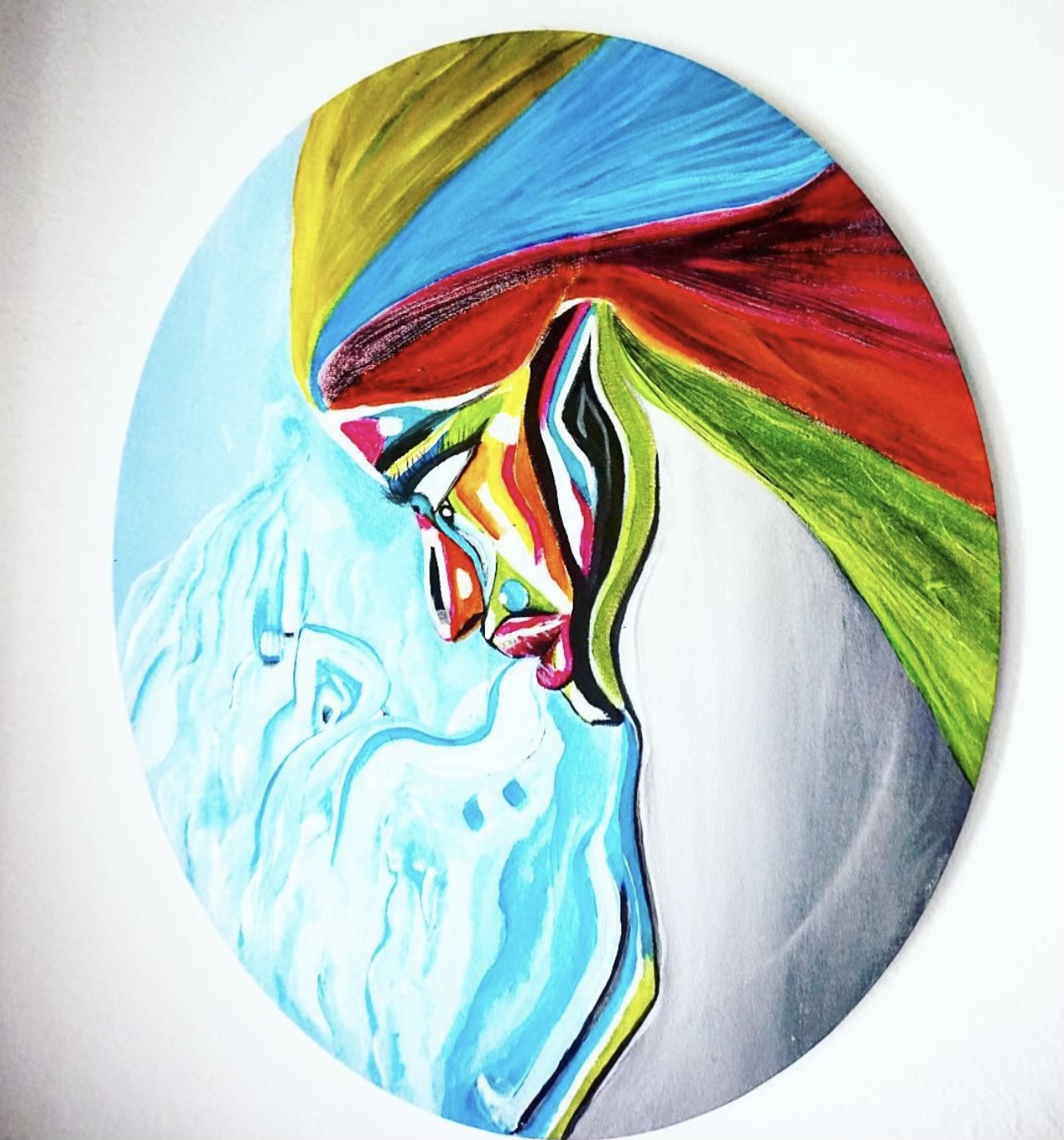
Shahad Nazer - The title of the artwork: Do you want to follow your parents’ plans for you? pic.twitter.com/g3f5cuFN2p
"The paper examines the impact of inadequate health education and preventative health measures on women’s reproductive and sexual health care as well as mental health care. It also links the restrictions on women’s autonomy and mobility to women’s health in access to health care and emergency services, as well as protection from domestic violence and ability to afford publicly unavailable services. It explores the influence of religious norms on women’s health-seeking behavior, beliefs, and attitudes, particularly in the use of alternative medicine and female genital mutilation. It further explores the barriers in access caused by regulations promoting gender segregation as well as medical errors involving women. The paper examines the influence of gender norms on women health care providers by exploring women providers’ experiences and opportunities for leadership positions in the health system."
يتطرق البحث إلى أثر الثقافة الصحية الخاطئة والتدابير الصحية الوقائية غير المناسبة على الرعاية بصحة المرأة الإنجابية والجنسية وبالصحة" النفسية. ويربط البحث أيضًا بين القيود المفروضة على استقلالية المرأة وحرية تنقلها بصحة المرأة في إطار حصولها على الرعاية الصحية وخدمات الطوارئ، إضافةً إلى حمايتها من العنف الأسري وقدرتها على تحمل تكلفة الخدمات غير المتوافرة للعموم. ويتناول البحث تأثير المعايير الدينية على سلوك المرأة الساعية للحصول على الرعاية الصحية ومعتقداتها ومواقفها، لا سيما في ما يخص استخدام الطب البديل وتشويه الأعضاء التناسلية الأنثوية. ويناقش أيضًا العوائق التي تحول دون استفادتها من هذه الخدمات الصحية بسبب الأنظمة التي تعزز الفصل بين الجنسين، فضلًا عن الأخطاء الطبية التي تتعرض لها المرأة. وينظر البحث في تأثير المعايير الجندرية على السيدات العاملات في مجال الرعاية الصحية من خلال دراسة تجارب وفرص هؤلاء السيدات في مناصب قيادية في النظام الصحي."
Salma Wael - Untitled. 2017#Saudi_Arabia #SWAR #Womensart #Art pic.twitter.com/tg0meQ62b1
ندعم أخواتنا في حملة #قيادة_26اكتوبر لمتابعة حساب حملتهن هنا @oct26driving pic.twitter.com/82UkmnC0BB
إقتباس مهم لكل المشككين بوطنية
لجين الهذلول،
عزيزة اليوسف،
د. عائشه المانع،
د. حصة آل الشيخ،
د. إيمان النفجان،
د. إبراهيم المديميغ،
محمد الربيعه،
مديحه العجروش،
عبدالعزيز المشعل،
ولاء آل شبر.
(الصوره من حساب @_null94) #النسوية_السعودية #سعوديات_نطلب_اسقاط_الولايه686 pic.twitter.com/lZKtmfpYj0
Saudi/Egyptian artist @ShahadNazer work makes you stop, take notice and reflect.
Her digital collage artworks contemplate social messages, highlight feminist issues, and raise ideas that concern the youth, particularly young women…#saudiwomendriving #womenempowerment pic.twitter.com/Nvn5AIFT8W
#Saudiwomen are out of the tunnel ... very expressive caricature by @aawsat_News #SaudiWomenDriving #SaudiArabia #قيادة_المراة_السعودية pic.twitter.com/e7hBhMEAeh
#سعوديات_نطلب_اسقاط_الولايه731
نحن لا نطالب بأيه تعديلات بل نطالب بأسقاط الولايه الاستعباديه كليا نطالب بالمساواه بين المرأه والرجل نطالب بعدم التمييز العنصري بيننا نطالب بأنهاء الظلم والاستعباد واخراج سجينات الولايه نطالب بأرجاع كامل حقوقنا التي هضمتها الصحوه pic.twitter.com/WSpM4m9Usw
#سعوديات_نطلب_اسقاط_الولايه836
لن نتوقف حتى تتحقق مطالبنا وهي:
- إلغاء شرط تصريح السفر
- إلغاء تهمة التغيب
- اغلاق دور الرعاية
- قانون يسمح للراشدات بالاستقلال بالسكن
- تجريم العنف والمعنف
- تجنيس أبناء المرأة السعودية
- الاعتراف بأهلية المراة،والمساواة بين الجنسين في الحقوق
Manal al-Sharif grew up in Mecca the second daughter of a taxi driver, born the year strict fundamentalism took hold. In her adolescence, she was a religious radical, melting her brother’s boy band cassettes in the oven because music was haram: forbidden by Islamic law. But what a difference an education can make. By her twenties Manal was a computer security engineer, one of few women working in a desert compound built to resemble suburban America. That’s when the Saudi kingdom’s contradictions became too much to bear: she was labeled a slut for chatting with male colleagues, her school-age brother chaperoned her on a business trip, and while she kept a car in the garage, she was forbidden from driving on Saudi streets.
Manal al-Sharif’s memoir is an “eye-opening” (The Christian Science Monitor) account of the making of an accidental activist, a vivid story of a young Muslim woman who stood up to a kingdom of men—and won. Daring to Drive is “a brave, extraordinary, heartbreakingly personal” (Associated Press) celebration of resilience in the face of tyranny and “a testament to how women in Muslim countries are helping change their culture, one step at a time” (New York Journal of Books).
Bayan. The title of the art work: Minor. pic.twitter.com/sMugm43MzH
Shahad Nazer- Title of work: Sexual harassment. pic.twitter.com/J5NUt1S3tD
Ms.Saffaa- Street art, portraits of some detained political activists. #art#saudi_arabia pic.twitter.com/ZflslUXNFm
Reema Abood- untitled. pic.twitter.com/nKyHXXhhfZ
الجوازات :
المرأة بعد سن ٢١ عام لن تبقى في حساب أبشر الأب .
.#الجوازات #السعودية #المرأة
. pic.twitter.com/z19BRnofY6
رسميًا:
.
يحق للمرأة السفر دون موافقة ولي الأمر لمن بلغت 21 عاماً .
.#الجوازات #السعودية #المرأة
- pic.twitter.com/Aw0SDUv7wq
عاجل ..
.
رسميًا:
السماح للمرأة استخراج جواز سفر دون إذن ولي أمرها .
-#جواز_المرأة_دون_موافقة_وليها
عاجل:
.
شاهد.. لحظة الإعلان التاريخي بـ #السماح_للمرأة_بقيادة_السيارة في السعودية .
.
.#الملك_ينتصر_لقيادة_المرأة
- pic.twitter.com/DjN3Ch75Bh
ما رأيك بتحديد سن رشد للمرأة للسفر دون تصريح أسوة بالرجل ؟#مهازل_تصريح_السفر
أكدت #هيئة_حقوق_الإنسان أن النسوية في #السعودية غير مجرمة؛ وأن المملكة تولي حقوق المرأة أهمية بالغة؛ مشيرة إلى النقلات النوعية التي شهدتها حقوق #المرأة والتي مكنتها من كافة حقوقها لتصبح شريك مهم في تحقيق التنمية المستدامة، وهي أحد أهداف #رؤية_المملكة_2030.#حقوق_الإنسان
Reem - The title: A bit salty but still satisfying. pic.twitter.com/YE82CNSXVk
Bayan. Title of work: Circumcision (2019). pic.twitter.com/NFdgbqTSv0
Reem- Clothing has NOTHING to do with harassment or assault. pic.twitter.com/08pvzWBkka
Meshael Alkulib- The title of the artwork: Decision. pic.twitter.com/wsbQGckZDG
The truth is that there is a confusion between the feminist movement, which works structurally to change the cultural structure that has undermined women's existence as independent beings, and the movement that works directly to address issues of personal rights, the veil, and guardianship, which are still restrictions. Therefore, the non-radical, reformist cultural feminist movement attempts to be a driver of cultural change.
Lena Amer- The title of artwork: Saudi women’s identity. #Art #Saudi_Arabia pic.twitter.com/DoufC60Z4j
Majedah Ali Aljashi- Untitled. pic.twitter.com/tk3CkTvtSa
Malak Alshammari - The title of artwork: Violence.#Art #Saudi_Arabia #Women_art pic.twitter.com/9760XNGAJk
نسوية السلطة وملامحها أيضًا في نقاشنا في حلقة "#ناشطات" مع ملاك الشهري @Shashtah وأماني الأحمدي @amani_aal.#بودكاست_السعودية_العظمى #ولية_أمريhttps://t.co/eqRLYTolYt
كل عام وأنتن بخير وقوة، وكل عام والصامدات في وجه العنف والسجينات ظلمًا والمقتولات غدرًا على البال، لسن منسيات أبدًا، أصواتنا الحُرة لنا ولهن. ❤️
تاق اليوم
- #اسقاط_بقايا_الولايه410
#women in #SaudiArabia are behind the wheel, but those who campaigned for that right remain behind bars.#KSA must release @LoujainHathloul
@Saudiwoman
@azizayousef
& all women's rights defenders immediately!
@Lola814418719 @rk70534 @marie_skou @f1122019 #FreeSaudiActivists pic.twitter.com/qFY6vCxiJa
Ms.Saffaa- A portrait of Loujain Alhathluol. #Art #Saudi_Arabia #LoujainAlHathloul pic.twitter.com/2m7XA2k5WF
Users hide behind fake usernames and profile pictures that conceal their true identities. Many of these activists are Yemeni and Saudi women who use Twitter to express their discontent with systems that establish their second-class status compared to men. Twitter also serves as a tool through which they support women's rights and challenge patriarchal systems everywhere. These activists attract thousands of followers and provide support, and they have even helped many overcome difficult personal circumstances. Most of these activists are forced to conceal their identities from their families, authorities, and society, given the serious repercussions of revealing their identity, including life-threatening consequences. Recently, the Saudi General Directorate for Combating Extremism, under the direction of the Saudi Public Security, classified feminism as an extremist ideology. Saudi Arabia retracted the criminalization of feminism shortly after its announcement, following international criticism. It disavowed the video that announced this, and its creators were investigated.*)
Their efforts are tremendous, even vital. Although the movement is not even close to achieving any of its basic calls for justice and equality, it has pushed the feminist movement to new heights. And although they are being fiercely targeted by many writers, public figures, and even by the authorities, just a few years ago the word ‘feminist’ and discussions of gender equality and women’s rights were unfamiliar concepts. Now they’ve become mainstream topics of debate – all thanks to the efforts of anonymous feminist activists on social media.
Shahad Nazer. It Was Not My Fault. (2020). Digital art.#SWAR #WomensArt #SaudiArabia pic.twitter.com/NWWnGaWVRs
Malak Alshammari - Untitled. 2020. #Art #Saudi_Arabia #Womensart pic.twitter.com/G7hLHnTypP
بيان البيت الأبيض وأهم الملفات التي تناولها الرئيس الأميركي والعاهل السعودي، من بينها حقوق الإنسان والإفراج عن نشطاء سعوديين-امريكيين ولجين الهذلول، وحرب اليمن https://t.co/1mrX6XfhFY
"On March 12, transgender woman Aden took her own life, leaving a message on Twitter detailing her physical and psychological abuse and bidding farewell to her friends. In the message, Aden recounted how her family lured her, with the help of a lawyer working at the Saudi consulate in the United States, forcibly returned her to the kingdom, and forced her to stop her hormone therapy. The case sparked outrage in the Saudi queer community on Twitter, and a group of activists organized a protest outside the Saudi embassy in London, demanding trans rights and justice for Aden."
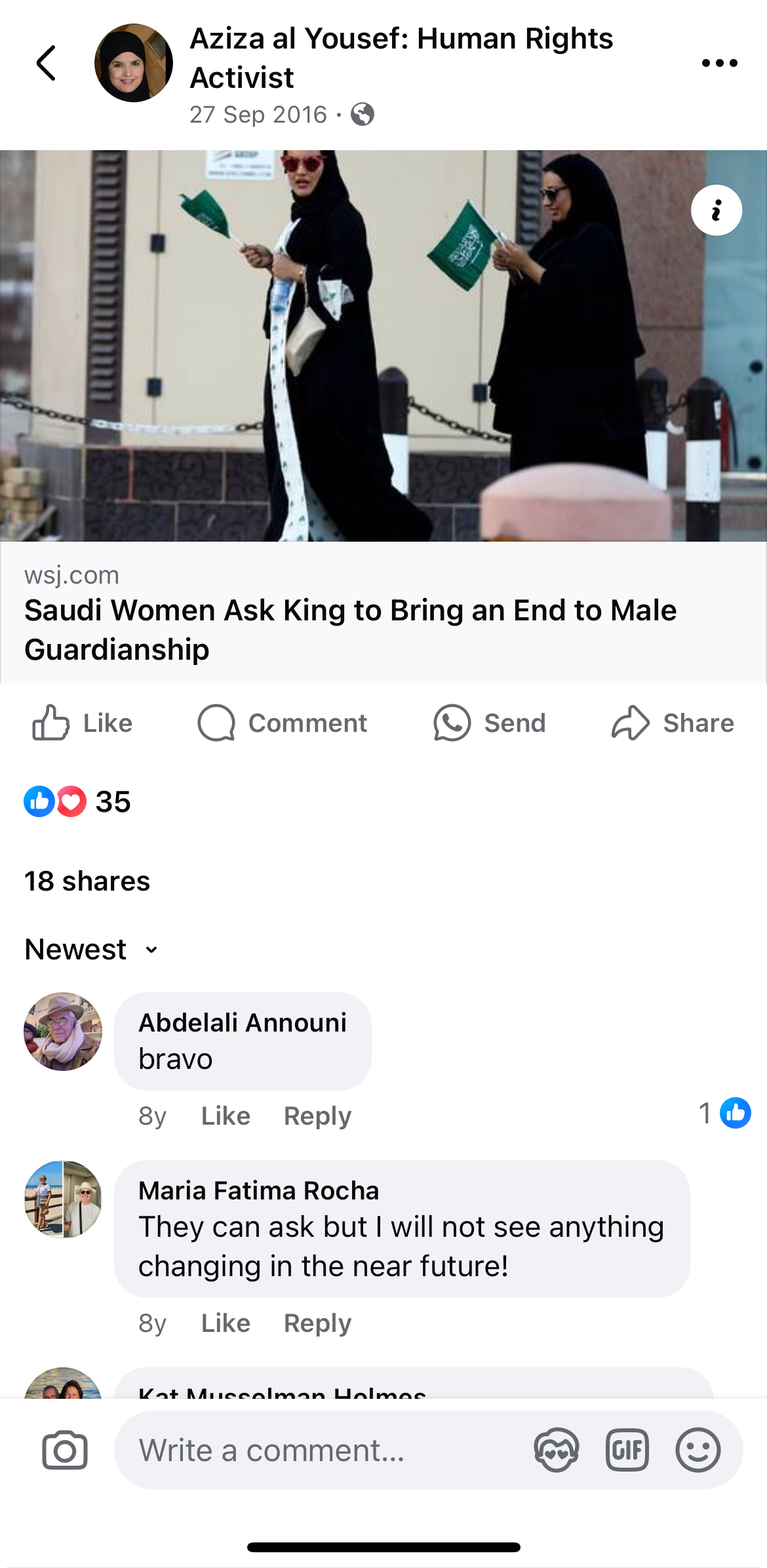
In Saudi Arabia, the law stipulates that no political parties, civil society organisations or marches are allowed. However, the impact made by social media sites during the 2011 Arab Spring made women’s rights activists realize that they too could benefit from the power of social media to bring about socio-political change. It offered a public platform on which to highlight and contest the unequal social status of women in Saudi society. As a consequence, numerous social media campaigns have been launched by Saudi women (e.g. ‘Women2Drive’, ‘Saudi Women Revolution’, ‘Baladi’ [My Country]1). Arguably the most high-profile of these has been the #EndMaleGuardianshipSystem Twitter campaign which, since its inception in 2016 has sparked widespread public debate about the Male Guardianship System (hereafter MGS), whereby Saudi women’s freedoms and decision-making powers are subordinated to those of a male relative. This chapter presents a corpus-aided critical analysis of the linguistic strategies employed in that campaign.
تنص القوانين في المملكة العربية السعودية على حظر إنشاء الأحزاب السياسية، ومنظمات المجتمع المدني، أو تنظيم المسيرات. ومع ذلك، فإن التأثير الذي أحدثته مواقع التواصل الاجتماعي خلال ثورات الربيع العربي عام 2011 جعل الناشطات في مجال حقوق المرأة يدركن إمكانية الاستفادة من قوة وسائل التواصل الاجتماعي لتحقيق التغيير الاجتماعي والسياسي. فقد وفّرت هذه المنصات العامة مساحة لطرح ومناقشة وضع المرأة غير المتكافئ في المجتمع السعودي. ونتيجة لذلك، أُطلقت العديد من الحملات الاجتماعية من قبل النساء السعوديات (مثل حملة "نساء للقيادة"، و"ثورة النساء السعوديات"، و"بلدي"). ومن بين هذه الحملات، كانت حملة #انهوا_نظام_الولاية على تويتر واحدة من أبرز الحملات التي أثارت منذ انطلاقها في عام 2016 نقاشاً عاماً واسعاً حول نظام الولاية، حيث تُقيّد حريات النساء السعوديات وحقوقهن في اتخاذ القرارات لتكون خاضعة لإشراف أحد الأقارب الذكور. يقدم هذا الفصل تحليلاً نقدياً يعتمد على تحليل النصوص باستخدام أدوات لغوية للكشف عن الاستراتيجيات اللغوية المستخدمة في هذه الحملة.
تواجه المرأة السعودية في جهات مختلفة تعاملات قد يستغلها الولي الظالم للجور عليها بل والأهم أنها تسلُب كرامتها وحقها الإنساني في تقرير مصيرها بنفسها بصفتها راشدة عاقلة، لهذا نطالب بـ #اسقاط_بقايا_الولايه للعيش حرائر وآمنات في وطننا، هنا ملخص عن أهم مطالبنا
(تم تحديث الصورة) pic.twitter.com/23Uj41A6yT
Sarah Brahim. (2021). Metamorphosis. Studio self-study. [ Performance ]. #SaudiArabia #SWAR #WomensArt pic.twitter.com/4ZMKbwqIx6
In 2016, Saudi activists launched the #EndMaleGuardianshipSystem campaign on Twitter, challenging the male guardianship laws requiring women to have male consent for many activities. This campaign sparked widespread debates in Saudi media, highlighting gender issues and polarized views on women’s rights.
This thesis uses critical discourse analysis to study the representations of Saudi women and arguments from both supporters and opponents of the campaign. Analyzing tweets, YouTube videos, and news articles, the research reveals that both sides often depict women negatively. Supporters criticize patriarchal restrictions, while defenders criticize the campaign itself, using religious and political arguments where men’s voices are prominent.
While some changes, like easing guardian consent and granting travel rights to women over 21, emerged during this period, it’s unclear if these resulted from online activism. The study situates the debates within the broader context of Saudi women’s struggle against patriarchy.
في عام 2016، أطلقت ناشطات سعوديات حملة على تويتر تحت وسم #سعوديات نطالب بإسقاط_الولاية، متحدّين قوانين الولاية الذكورية التي تُلزم النساء بالحصول على موافقة وليّ أمرهنّ الذكر للقيام بالعديد من الأنشطة. أثارت هذه الحملة نقاشات واسعة في وسائل الإعلام السعودية، مسلطةً الضوء على قضايا النوع الاجتماعي وآراء متباينة حول حقوق المرأة.
تستخدم هذه الأطروحة تحليل الخطاب النقدي لدراسة تمثيلات النساء السعوديات والحجج المقدمة من كلا الجانبين، المؤيدين والمعارضين للحملة. من خلال تحليل التغريدات ومقاطع الفيديو على يوتيوب والمقالات الصحفية، يكشف البحث أن كلا الطرفين غالباً ما يصوّر النساء بصورة سلبية؛ حيث ينتقد المؤيدون القيود الأبوية، في حين ينتقد المدافعون عن نظام الولاية الحملة نفسها، مستخدمين حججاً دينية وسياسية، تبرز فيها أصوات الرجال بشكل كبير.
ورغم بعض التغييرات التي طرأت في تلك الفترة، مثل تخفيف متطلبات موافقة الولي ومنح المرأة حق السفر دون إذن ولي أمرها لمن تجاوزت 21 عاماً، لا يزال من غير المؤكد أن هذه التغييرات جاءت كنتيجة مباشرة لهذا النشاط الرقمي. تضع الدراسة هذه النقاشات في إطار أوسع لنضال النساء السعوديات ضد النظام الأبوي.
لا القاتلة.
(انستغرام: thezaynalarbi) pic.twitter.com/3qKWrFsMal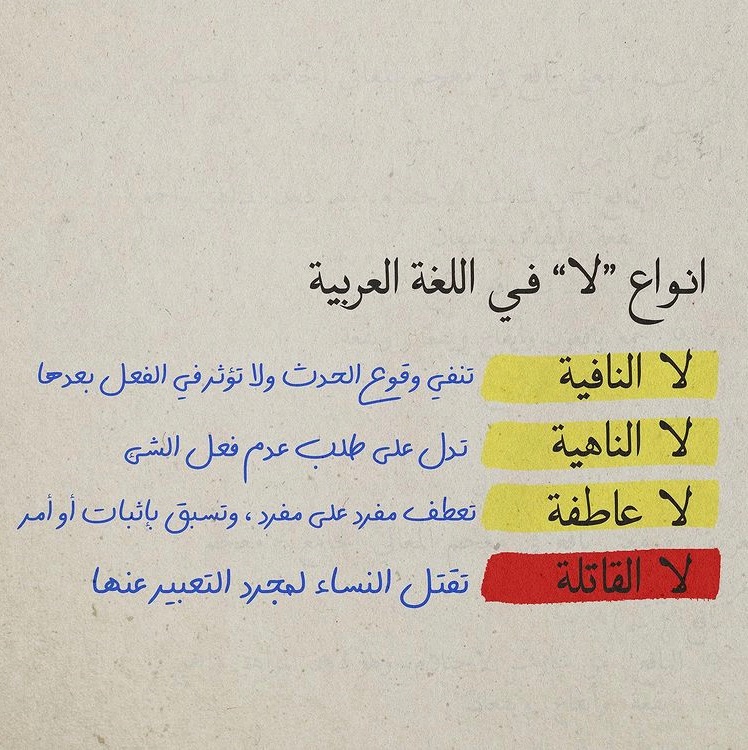
Hend Al-Mansour - Untitled.#Womensart #Saudi_arabia #ART #SWAR pic.twitter.com/GwURvwWOep
Balqis Alrashid. 2021. Untitled. Performance. #SaudiArabia #SWAR #WomensArt pic.twitter.com/35Vh45rzCc
Hend Al-Mansour - The titles of artworks: Welladah + Al-Andalus.#Womensart #Saudi_arabia #ART #SWAR pic.twitter.com/7XInoZGVHL
Reem Illustrations. No date. No title. #swar #Saudi_Arabia #WomensArt pic.twitter.com/DbQpsmmd4C